
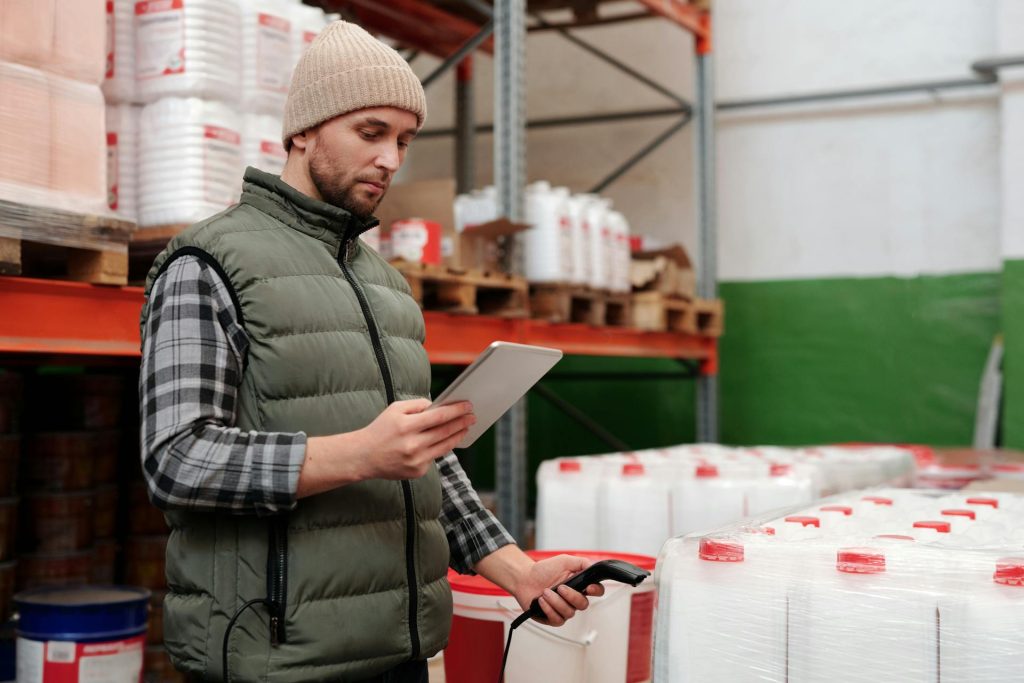
According to smart systems, technology transforms the distribution of goods, which reduces costs and delivery time. Innovations such as AI and IoT make supply chains smooth, all the way to doorsteps.
Artificial Intelligence Inventory Management
Predictive algorithms predict demand, which maximizes inventory to reduce overstock by a third. Warehouse Management Systems (WfMC) based on the cloud monitor items in real-time, using RFID tags, and minimize errors by 50%. Robots such as AMRs are automated and pick up goods, which increases throughput by at least 40 percent in Amazon- and DHL-facilities.
Real-Time Tracking and Route Optimization
GPS and machine learning would plot the most efficient routes, and save 20% of fuel by avoiding traffic. IoT sensors track deliveries – temperature of goods (perishables) or position (delays) to give an alert and rerouted, which increases confidence in 5G.
Picking and Warehousing, Automated
AGVs and multi-directional shuttles transport pallets autonomously which leads to maximum use of vertical space. Smart picking is an AR glasses application that shows workers the location of items 25% faster. Simulations of operations are provided by digital twins that anticipate bottlenecks at times of peak, such as the Black Friday.
Innovations in the last-mile delivery
Autonomous vans and drones deliver in cities, reducing delivery to hours. Micro-fulfillment centers are located close to cities, which make it possible to have same-day service. Distributed order management divides the orders between stores and DCs to achieve optimality.
Sustainability Gains
Eco-routing and electric fleets reduce emission by 25%. Blockchain authenticates green credentials, farm to shelf. Consolidation packs simplify loads, making it 15% fewer trips.
These technologies reduce expenses by 20-30, accelerate shipment, and create robust networks – future-proofing business.