
Smart technology means everyday objects that sense something, connect to a network and act on what they find. A thermostat that notices nobody is home, a watch that counts how long you slept, a doorbell that records who called. None of it is new on its own. What changed is that the sensors became cheap and the connection became assumed.
That brings real convenience, and it brings costs that are easy to miss when you are standing in a shop looking at a box.
In the Home
Heating is where most people notice a difference. A learning thermostat builds a picture of when the house is occupied and stops heating empty rooms. How much that saves depends entirely on what you were doing before. A household that already turned the heating down at night will save very little. One that left it running constantly will save a lot.
Lighting is the opposite: the saving is small, because modern bulbs use little power anyway, and the value is in control. Lights that come on before you get home, or that can be turned off from bed, are worth having for their own sake rather than for the electricity bill.
Smart locks and video doorbells change how a home is managed more than how secure it is. Letting a relative in while you are at work, or seeing that a parcel arrived, is the everyday use. A determined burglar is not stopped by either.
On the Wrist
Fitness trackers are good at a few things and vague about others. Step counts and heart rate during steady exercise are reasonably accurate on most devices. Sleep duration is roughly right. Sleep stages, calories burned and stress scores are estimates built on models, and they should be read as trends rather than measurements.
The feature that has genuinely changed outcomes is the irregular rhythm notification. A watch that spots an unusual heart rhythm and tells you to see a doctor has sent a lot of people to appointments they would not otherwise have made. It is a prompt, not a diagnosis.
Getting Around
Navigation that reroutes around traffic is the single most used piece of smart technology most people own, and it is so normal now that nobody calls it smart any more. Keyless entry, remote preheating and charge scheduling for electric cars sit in the same category: small conveniences that become invisible once you have them.
What It Actually Costs
- Subscriptions. The device is often the cheap part. Video history, advanced features and sometimes basic notifications sit behind a monthly fee.
- Dependence on a company staying interested. When a manufacturer shuts down a cloud service, the hardware you bought can stop working. This has happened repeatedly, and there is usually no refund.
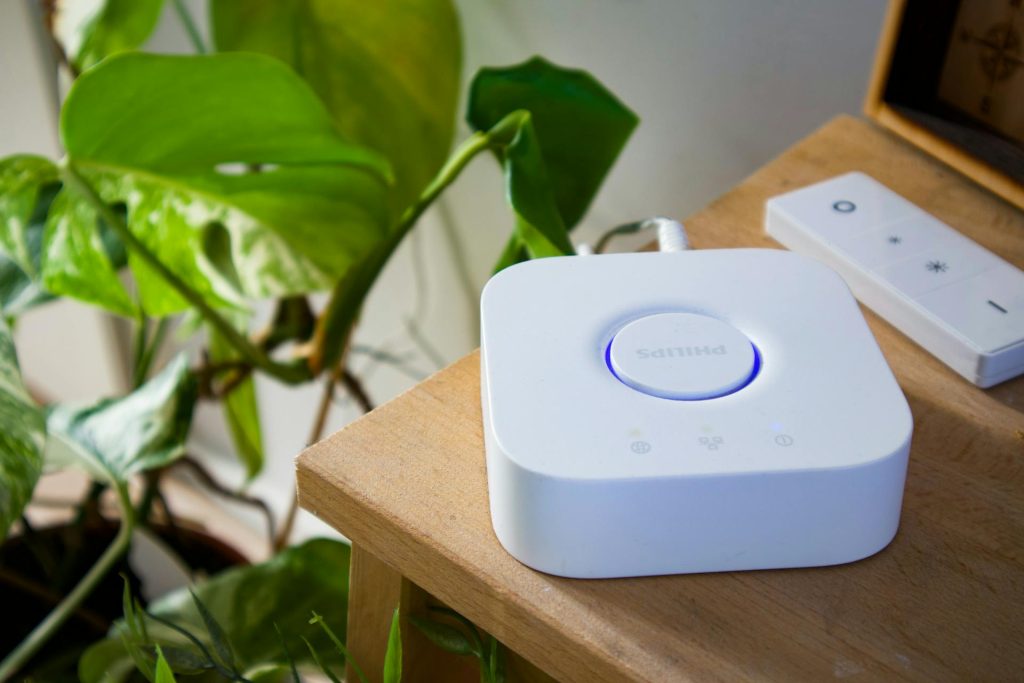
- A home that needs maintaining. Firmware updates, batteries, a hub that needs replacing, an app that changes and breaks your routines.
- One more thing to go wrong. A lock that needs a phone is a problem when the phone is flat.
Privacy Is the Part Worth Thinking About
Smart devices work by collecting data, and most of them send it somewhere. A speaker listens for its wake word. A doorbell records the pavement outside. A thermostat knows when the house is empty.
Three questions are worth asking before buying anything: does it work if the internet is down, is the recording stored on the device or in a company’s cloud, and can you delete what it has collected. Products that answer those well exist, and they are not always the most heavily advertised ones.
Who Gains the Most
The honest answer is not the person who wants a futuristic house. It is people for whom these things remove a real difficulty: an older person living alone whose family can check the heating is on, someone with limited mobility who can open a door or draw curtains without crossing the room, a carer who can be alerted rather than having to visit.
For everyone else the benefits are real but modest, and they are a matter of comfort rather than transformation.
A Sensible Way to Start
- Start with one problem you actually have, not with a category of product.
- Buy one device and live with it for a month before buying a second.
- Prefer things that still work locally when the internet is down.
- Check whether the useful features need a subscription before you pay for the hardware.
- Keep a physical way to do everything: a key, a switch, a dial.
Smart technology is at its best when you stop noticing it. If a device needs attention every week, it is costing you more than it saves.