


Smart technology is penetrating the day-to-day lives of people, including voice-activated lights and AI-powered fitness watches. These innovations are efficient, healthy, and connected and are transforming the way we live, work and interact.
Convenience in the Home
Smart homes are in the vanguard of devices such as thermostats that know your schedule, and change temperatures to save 10-15% on energy bills every year. Voice assistants like Alexa or Google Home can do the task of reminding, grocery shopping, and playing music without even raising a finger. Refrigerators scan the items to recommend recipes, eliminating food waste by 30%. Locks and lights controlled by apps increase the level of security- remote monitoring break-ins prevent access to the house, whereas the family can get to their home. Installation can be completed in minutes using applications and makes the houses user-friendly.
Health and Wellness Tracking
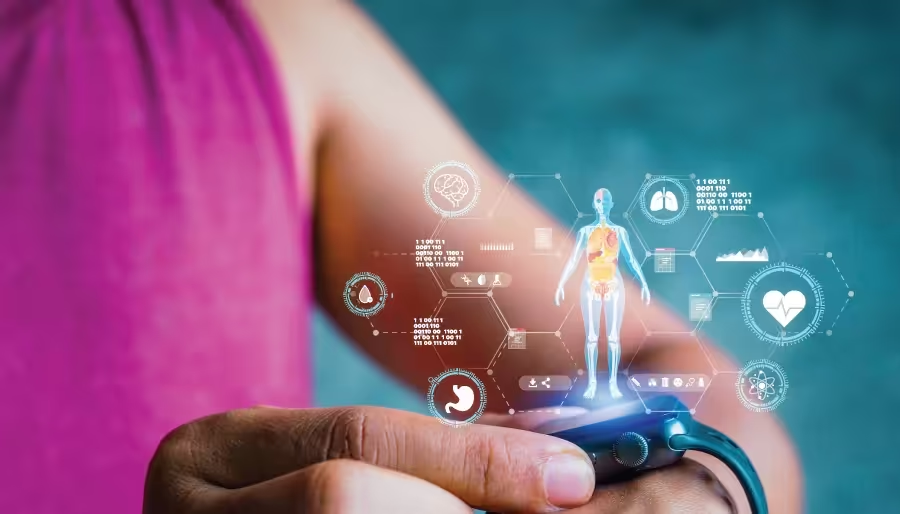
Smart devices such as smartwatches track heart rates, sleep patterns and the number of steps taken, which prompts users to achieve 10,000 steps every day. Apps are used to combine scales and blood pressure cuffs to have complete views and notify doctors about any anomalies at an early stage. It is a battle against stress in the present moment, with the help of mental health tools that provide guided meditations or mood journals. Earbuds coach are formed through AI analysis during workouts, avoiding injuries. In the long run, trends of data enable customized diets, which enhance life span – research indicates that regular trackers enhance exercise adherence by 40 percent.
Productivity Boosts at Work and Beyond
Smart assistants simplify schedules, writing meetings and ranking emails. Teamwork solutions such as smart whiteboards can remotely brainstorm and make edits in real-time. Navigation applications make traffic predictions, which cut shaving travel time by half. Smart appliances cook using voice recognition, liberating evenings. Soil sensors enable farmers to irrigate accurately and reduce water by 25 percent. Educators gain access to adaptive learning tools, which adjust the lessons to the strengths of the students and speed up the mastering process.
Environmental and Economic Impacts
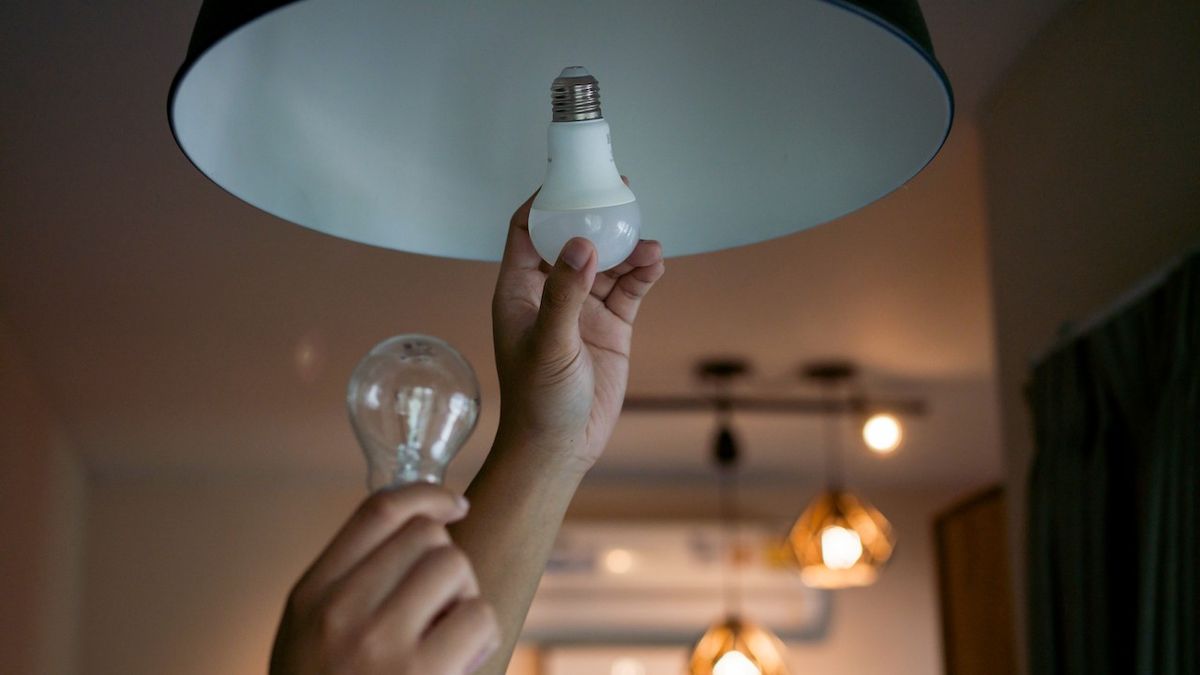
Bulbs and plugs that are energy efficient minimize carbon footprint- smart meters maximize usage by reducing household emissions by 12 percent. App-based ride-sharing EVs reduce individual car addiction, reduce urban traffic congestion. Compounding cost savings: a smart thermostat with a price of $ 200 will recoup in one year with rebates. The agriculture IoT devices globally have a 15 percent increase in crop yields using reduced resources. Nevertheless, e-waste is increasing when it is not recycled, and this calls upon sustainable brands.
Privacy and Security Considerations
Investing in convenience trades does not need data, convenience trades does. Patches are provided through firmware updates, which cover the vulnerabilities, yet the use of weak passwords opens the routines to thieves. Such regulations as GDPR impose consent, but those using it must also turn on two-factor authentication and visit sharing settings. Risks are less than benefits: 95 percent of breaches are safeguarded by encrypted networks.
Social Connectivity Enhancements
Video calls with shared screens can be used to watch recipes or play games, which allows overcoming the distance barrier with smart screens. Pet cams are used to alleviate anxiety during travel whereas community events are organized by neighborhood applications. The fall-detection watches enable elderly users to be independent because they call aid immediately.
Future Outlook
Innovations such as AR glasses will show directions on the streets, and brain-computer interfaces are the precursors of thought-controlled houses. The process of integration becomes more profound, yet ethical AI guarantees the absence of prejudices. Smart technologies enhance human capabilities, building healthier and greener lives, and accept it with full awareness to achieve the best results.